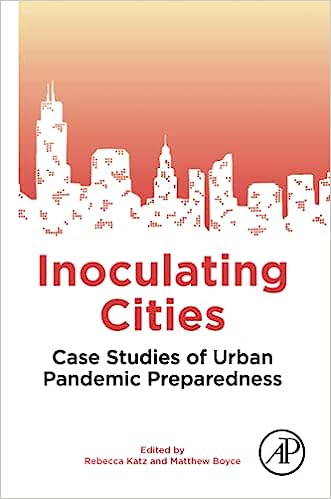
Inoculating Cities Case Studies of Urban Pandemic Preparedness
BHD 12,00
Colour Matt Finished
Description
Inoculating Cities: Case Studies of Urban Pandemic Preparedness
9780128202043 978-0128202043
Inoculating Cities: Case Studies of Urban Pandemic Preparedness begins with a brief historical description of infectious disease outbreaks in cities as well as an overview of infectious disease outbreaks since 2000 that hold profound implications for cities and urban environments – such as severe acute respiratory syndrome (SARS) in 2003, H1N1 influenza in 2009, Ebola virus in 2014, Zika virus in 2015, and more recently, COVID-19 in 2020. Each of these outbreaks affected different geographies of the world and underscored the importance of urban pandemic preparedness or urban health security as a means of mitigating the threats posed by infectious diseases. This book describes several of the characteristics of cities that make them uniquely vulnerable to infectious disease threats which include, but are not limited to, their population density, population diversity, internal and external population movements, and inequalities in cities. Finally, the book discusses frameworks and capacities that are essential for preparing cities to prevent, detect, and respond to infectious disease outbreaks. With contributions from experts and researchers with first-hand experiences with infectious disease outbreaks, their impact on the management of disease, and pandemic preparedness in progressively urban societies, Inoculating Cities addresses the unique threats infectious diseases pose to urban environments and surveys innovative models that cities are using to combat these threats.
Inoculating Cities: Case Studies of Urban Pandemic Preparedness begins with a brief historical description of infectious disease outbreaks in cities as well as an overview of infectious disease outbreaks since 2000 that hold profound implications for cities and urban environments – such as severe acute respiratory syndrome (SARS) in 2003, H1N1 influenza in 2009, Ebola virus in 2014, Zika virus in 2015, and more recently, COVID-19 in 2020. Each of these outbreaks affected different geographies of the world and underscored the importance of urban pandemic preparedness or urban health security as a means of mitigating the threats posed by infectious diseases. This book describes several of the characteristics of cities that make them uniquely vulnerable to infectious disease threats which include, but are not limited to, their population density, population diversity, internal and external population movements, and inequalities in cities. Finally, the book discusses frameworks and capacities that are essential for preparing cities to prevent, detect, and respond to infectious disease outbreaks. With contributions from experts and researchers with first-hand experiences with infectious disease outbreaks, their impact on the management of disease, and pandemic preparedness in progressively urban societies, Inoculating Cities addresses the unique threats infectious diseases pose to urban environments and surveys innovative models that cities are using to combat these threats.
Only logged in customers who have purchased this product may leave a review.
Related products
-
Emerging Adulthood in the COVID 19 Pandemic and Other Crises Individual and Relational Resources
BHD 15,00 Add to cart Order Via Whatsapp -
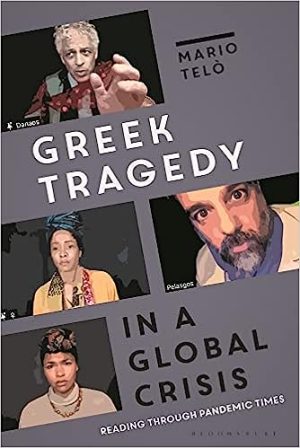
Greek Tragedy in a Global Crisis Reading through Pandemic Times
BHD 12,00 Add to cart Order Via Whatsapp -

Sport and Physical Culture in Global Pandemic Times COVID Assemblages
BHD 24,00 Add to cart Order Via Whatsapp -
European Narratives on Remote Working and Coworking During the COVID 19 Pandemic A Multidisciplinary Perspective
BHD 12,00 Add to cart Order Via Whatsapp
Reviews
There are no reviews yet.